The Depth of Blue
Artist:Tsung-hsien Chang
WorkSize:80cm x 110cm
WorkType:Photography
WorkYear:2026

The Metaphor of Exile: Seeing as Estrangement
Text by Chang Tsung Hsien
In historical discourse, "exile" often implies punitive expulsion: the expulsion of individuals from the centers of power and from an established order, forcing them into unfamiliar and marginalized spaces. This is not merely a change in physical location, but also the deprivation of identity and the reconstruction of one's existence. The exiled no longer belong to their original social structure, but reorient themselves within unstable boundaries. However, when "exile" is transformed into a cultural and philosophical metaphor, it is no longer confined to specific political or historical events, but rather becomes a state of being – a mode of being defined by a persistent, constitutive distance.
In the experience of viewing, one is always in a state of unresolved alienation. Images reveal the world to spectators, yet simultaneously widen the distance between viewers and the world. Viewing is not equivalent to reaching; on the contrary, it constantly reminds us of the disconnection between ourselves and reality. When we gaze at an image, we are both present and absent, both near and unreachable. Viewing is therefore no longer a mastery of the world, but a distant encounter, a mode of experience suspended between proximity and absence. This state makes viewing itself a kind of existential "exile."
Within the context of visual culture, photography particularly illuminates this exile-like structure. As a technology, photography is commonly regarded as a means of preserving reality, yet its essence points to the rupture of time and the absence of the existent. Roland Barthes, in La Chambre Claire, argues that photographs proclaim ça a été – "this has been": the image proves that something once existed, but is no longer present. Therefore, the image is not merely a representation, but a testimony to time, a witness to loss. Each viewing of a photograph is a re-experiencing of a lost reality, a quiet summons toward death and absence. Photography here does not merely capture reality, but transforms reality into an irretrievable past, placing the viewer in the position of confronting a ghost. This experience of "absence" naturally imbues photography with the temporal dimension of exile.
However, viewing is not merely an act of perception; it is also a crucial arena for the operation of power. In his theory of disciplinary societies, Michel Foucault argues that power in modern society does not reside solely within macro-level structures of domination, but rather permeates the minutiae of daily life through surveillance, categorisation, and discipline. Photography, as a reproducible, archival, and classificatory technological medium, has become a significant extension of this mechanism of power. From identity photographs and surveillance footage to archival images and news photographs, photography continuously incorporates individuals into a system of visualisation and management. Under such a visual management, the photographed often lose control over their own image; their bodies and existence are transformed into objects that can be viewed, analysed, and categorised. The subject is thus forced into a "position of being viewed," becoming the other within the image. This process is not only a representation but also a symbolic exile – removing the individual from their own subjectivity and placing them within the act of viewing.
Furthermore, this kind of exile does not only befall the photographed; the viewer is equally unable to remain unaffected. Positioned before the image, the viewer appears to hold the dominant role, yet in reality they too are drawn into the viewing structure that the image itself constructs. While gazing at the image, the viewer is simultaneously gazed back at, losing their stable footing within this reciprocal relationship. Viewing is no longer a unidirectional act but a relational field in which the boundary between subject and object is constantly blurred and reconstructed. The viewer seeks meaning in the image, yet is simultaneously reordered and repositioned by it, becoming another kind of object of the gaze. Viewing thus becomes a double exile: both a gaze upon the other and a dispossession of one's own place.
Therefore, "exile" should not be understood merely as a historical or political event, but rather as a condition of existence within a structure of viewing. In photography and visual culture, we are perpetually treading a path of exile. This path entails spatial displacement, distancing us from any original sense of belonging; it entails temporal rupture, continually transforming the present into the past; and it entails the alienation of body and perception, rendering experience indirect and unstable. Images do not only record the world: they simultaneously detach us from it, making us strangers in the very act of viewing.
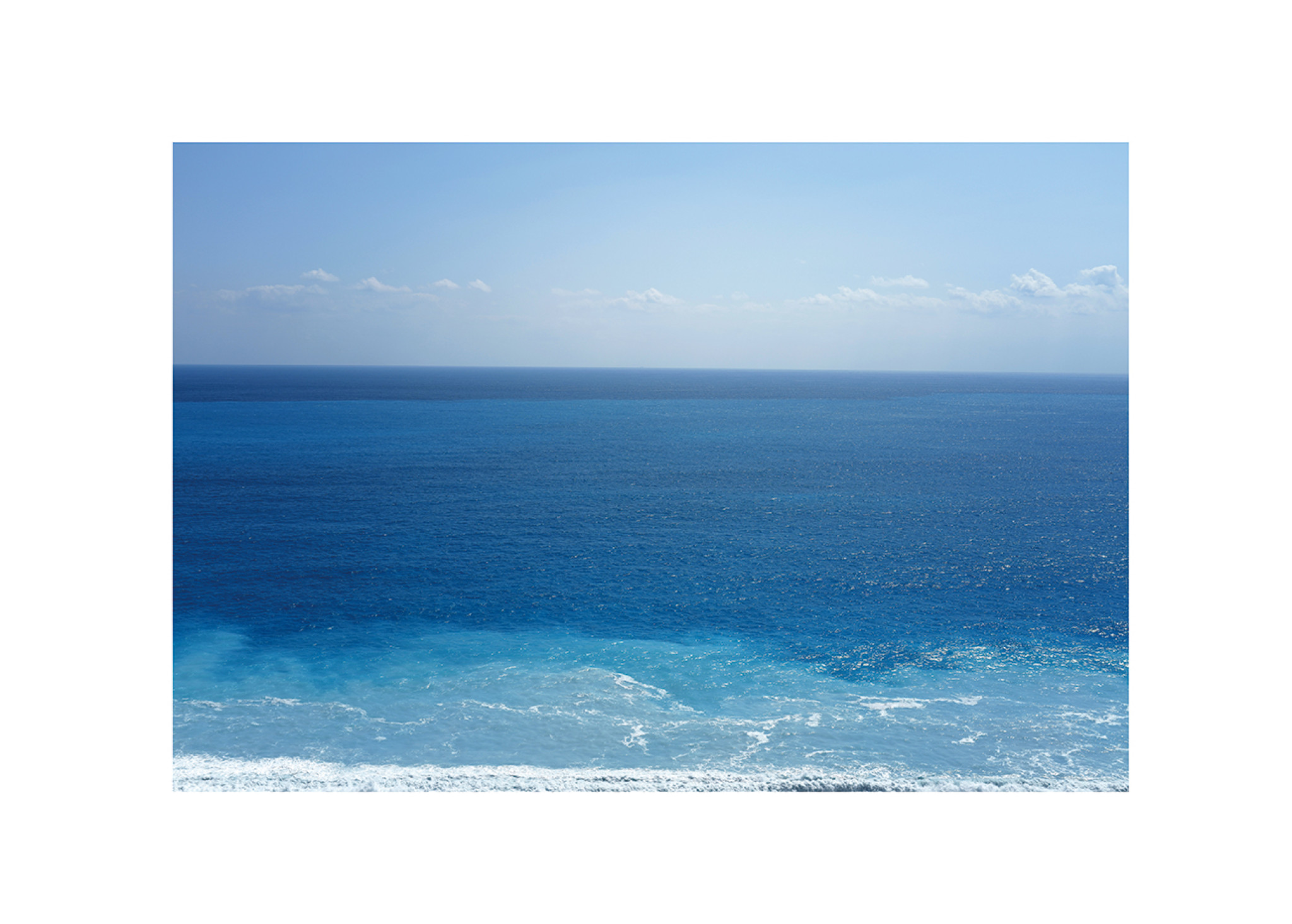
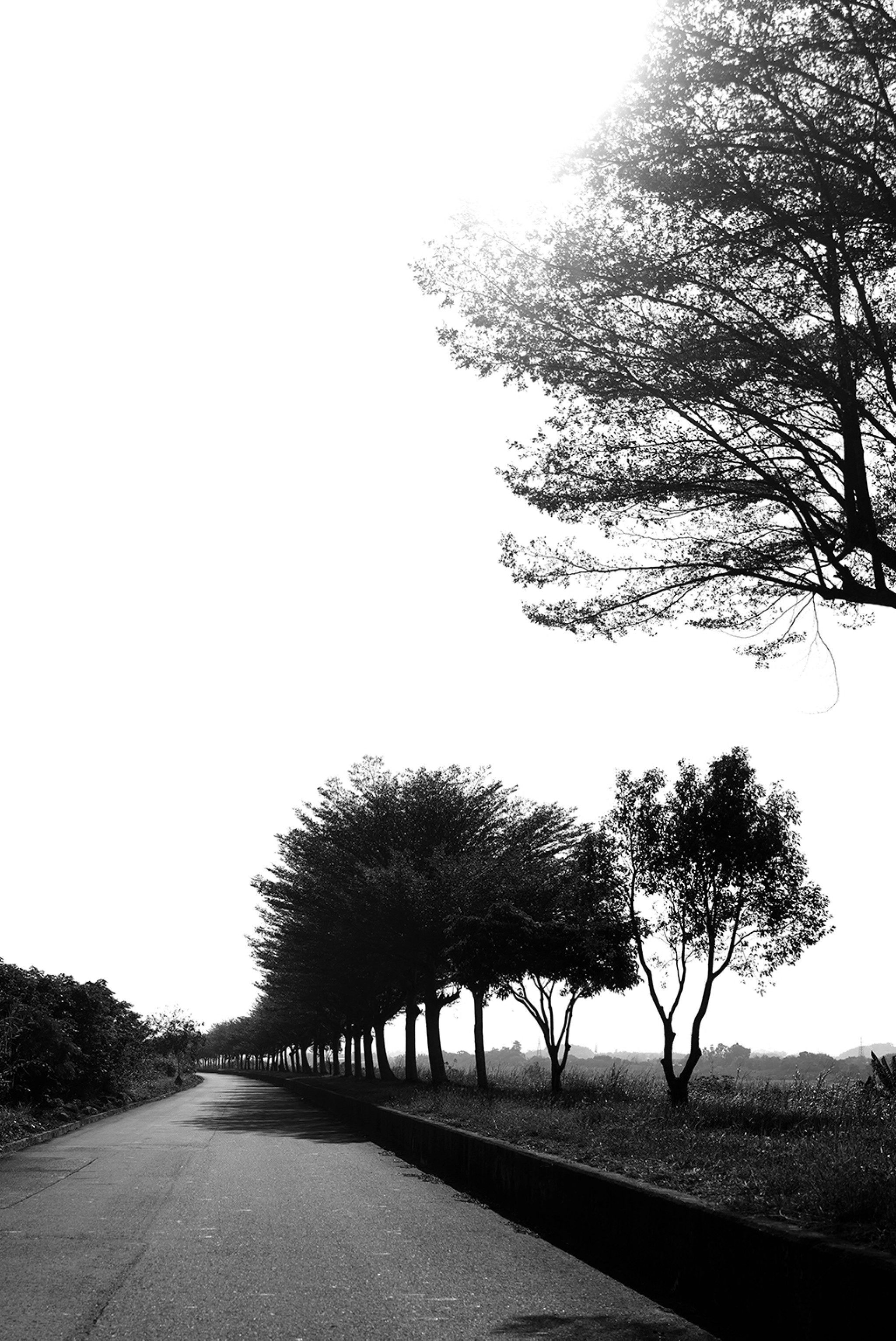
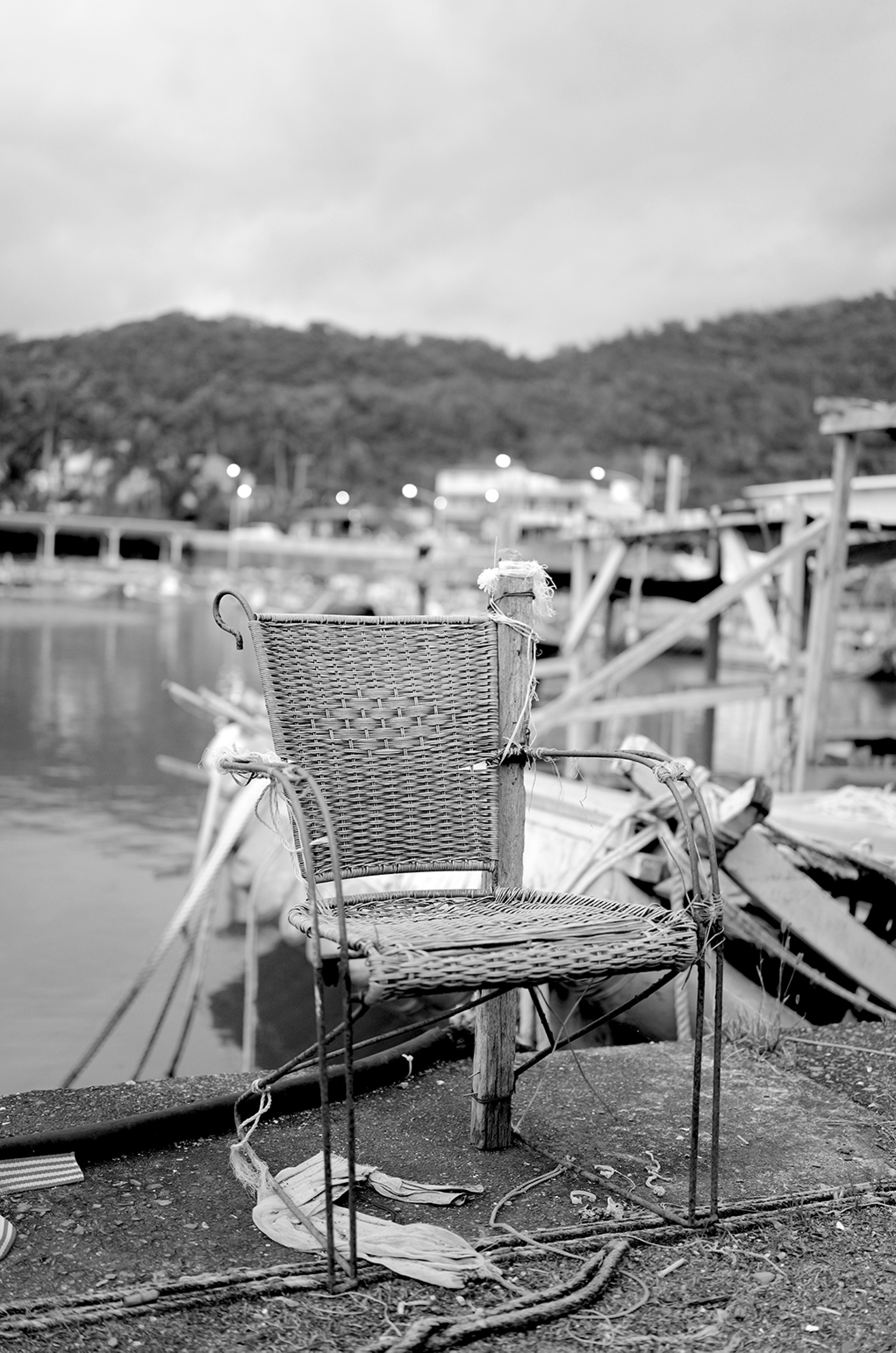
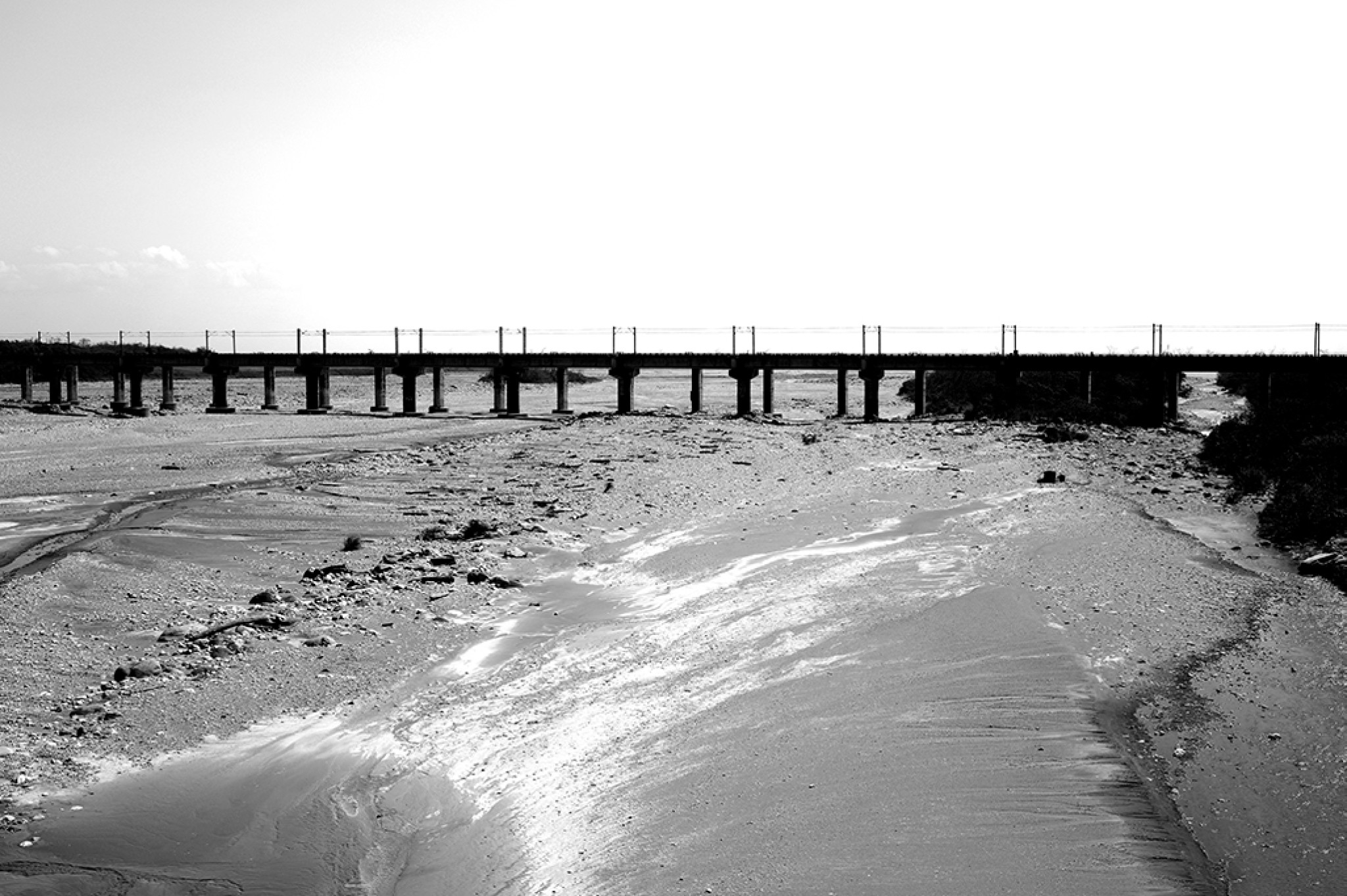
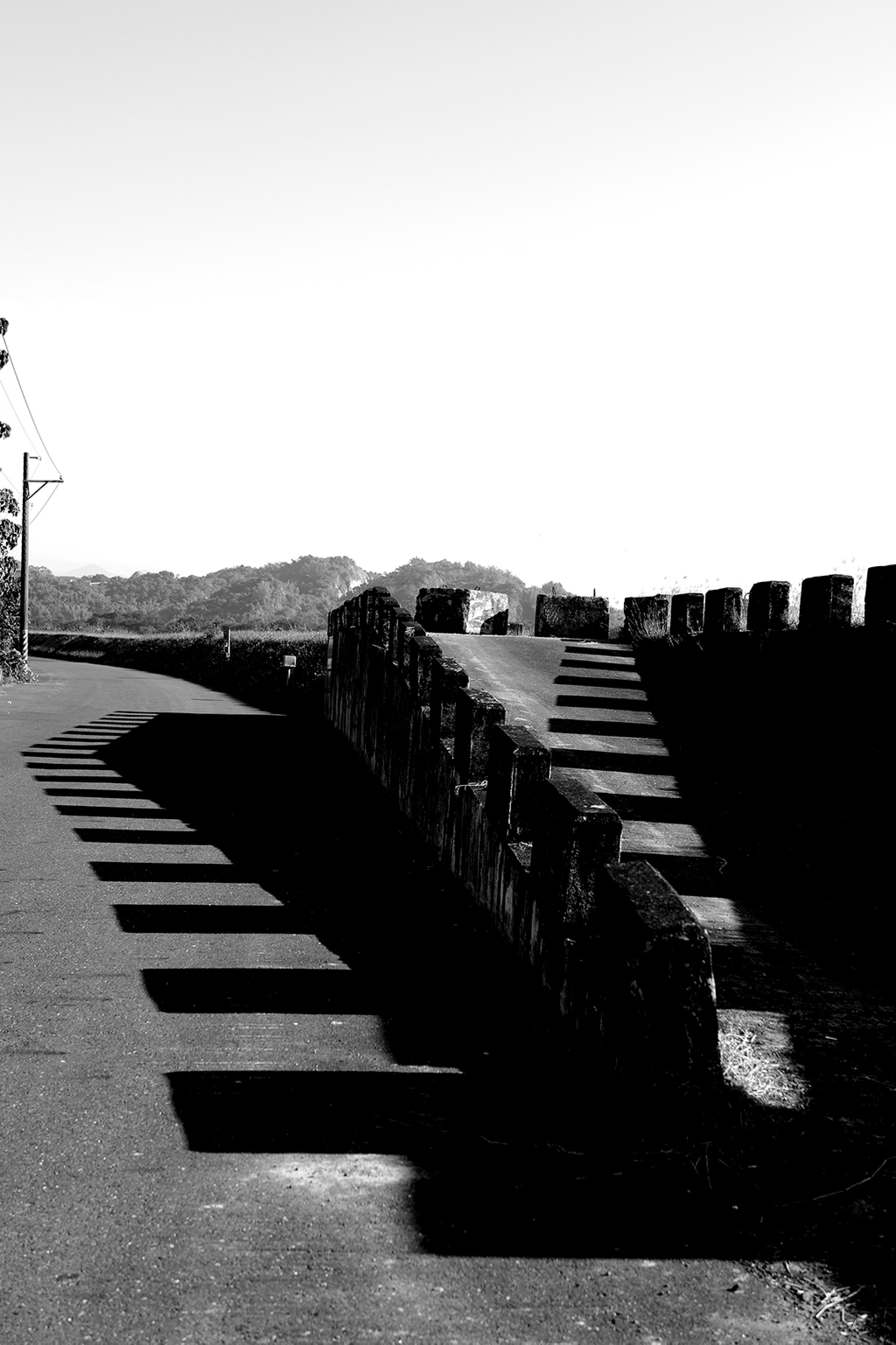
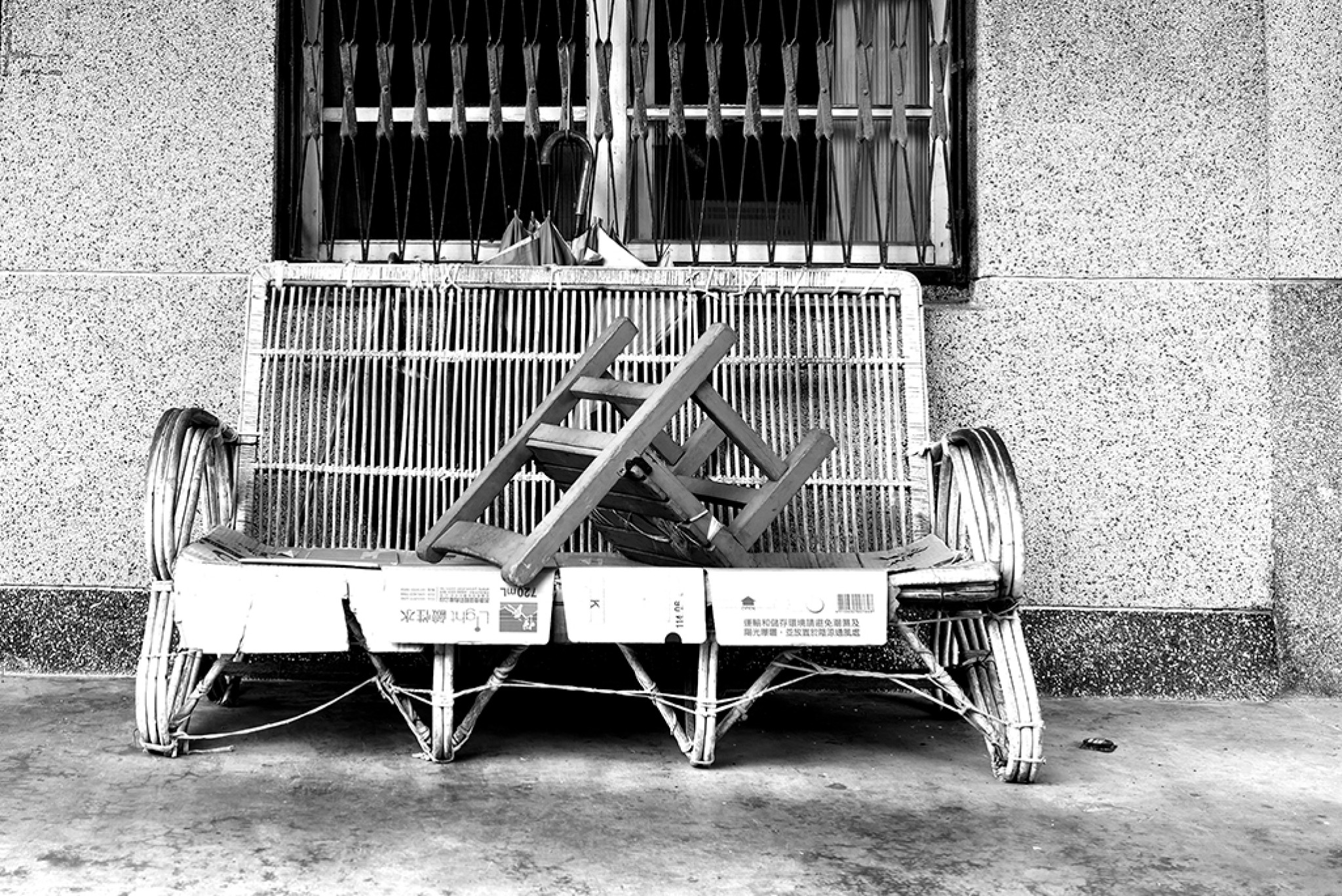
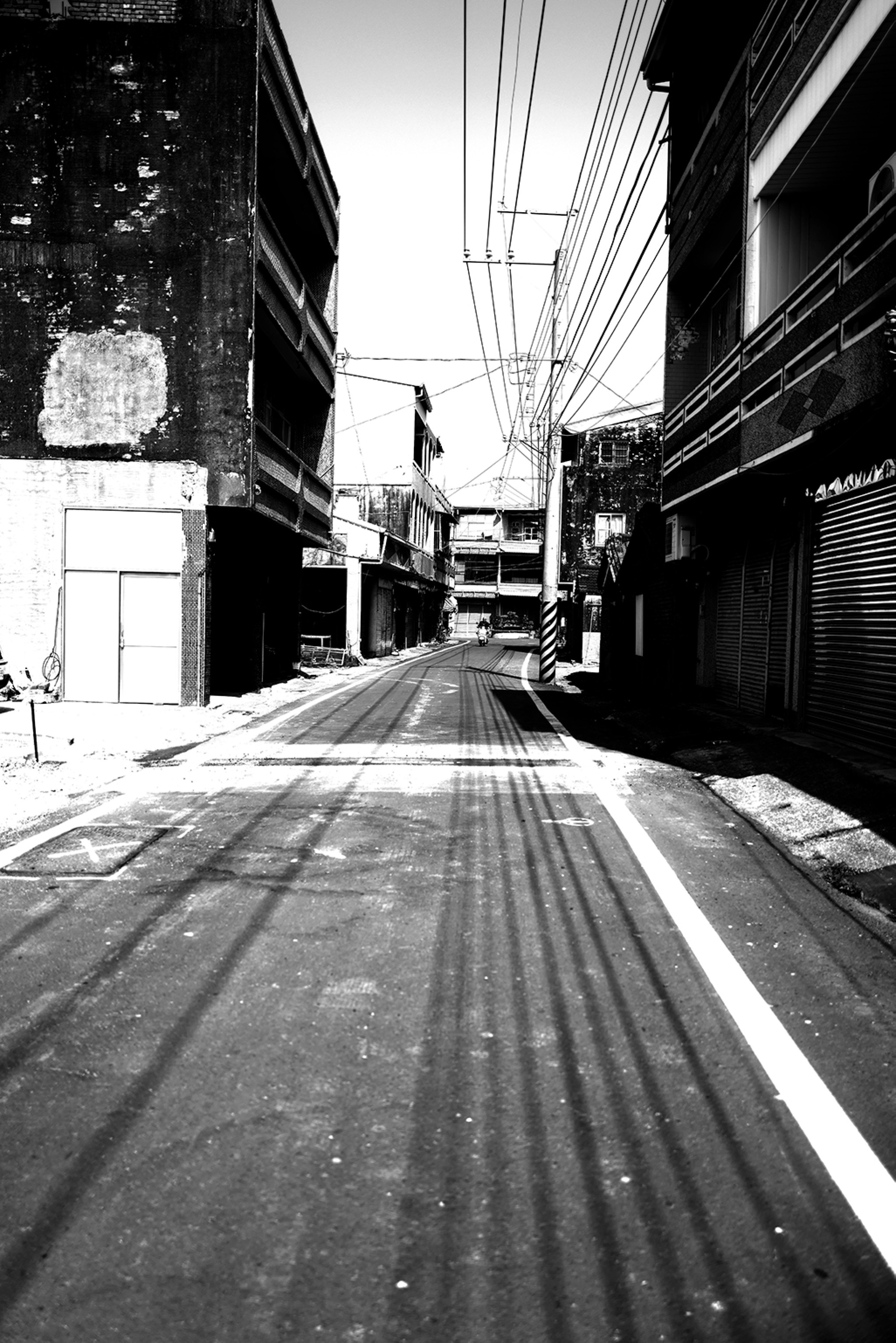
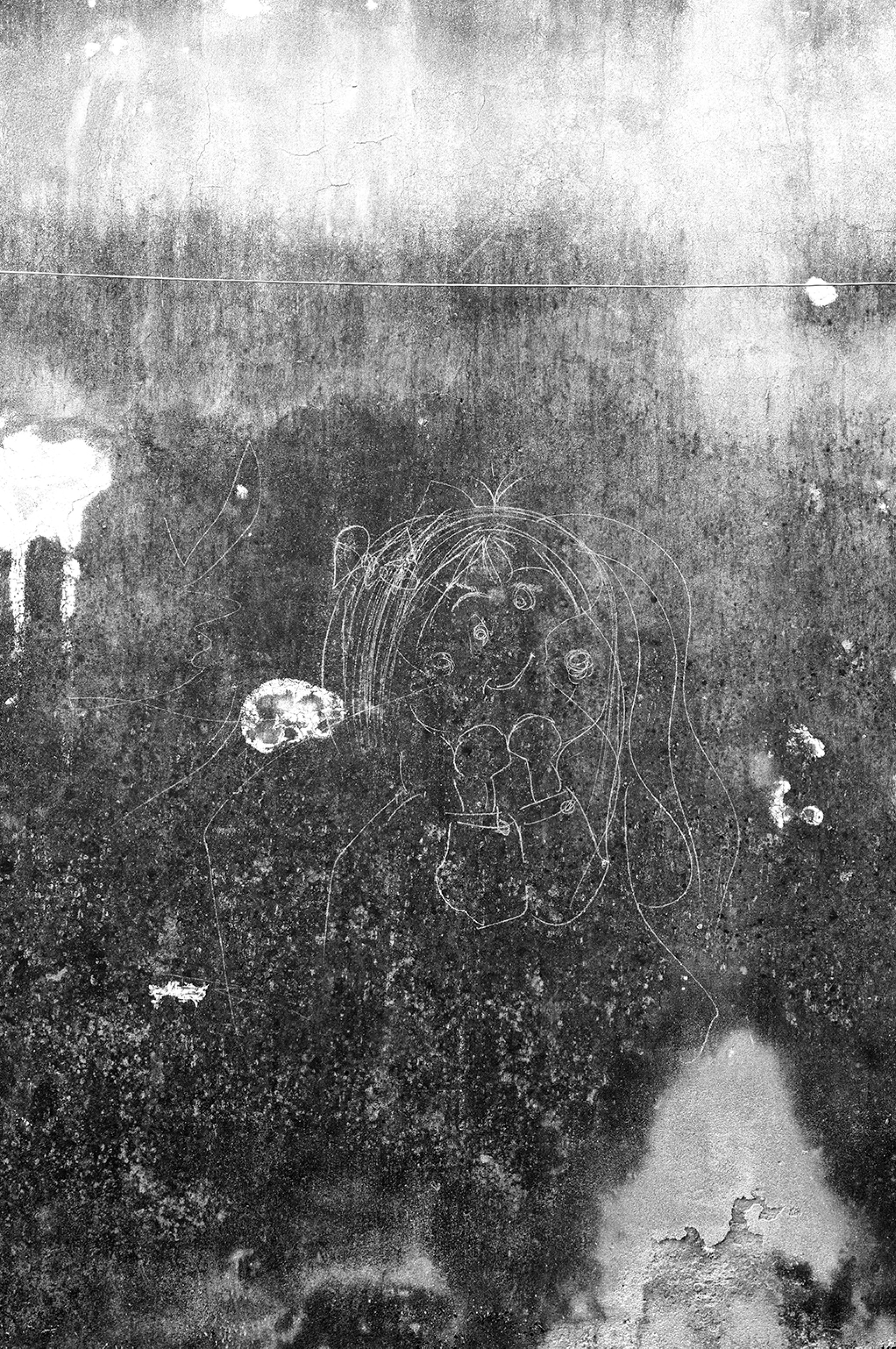
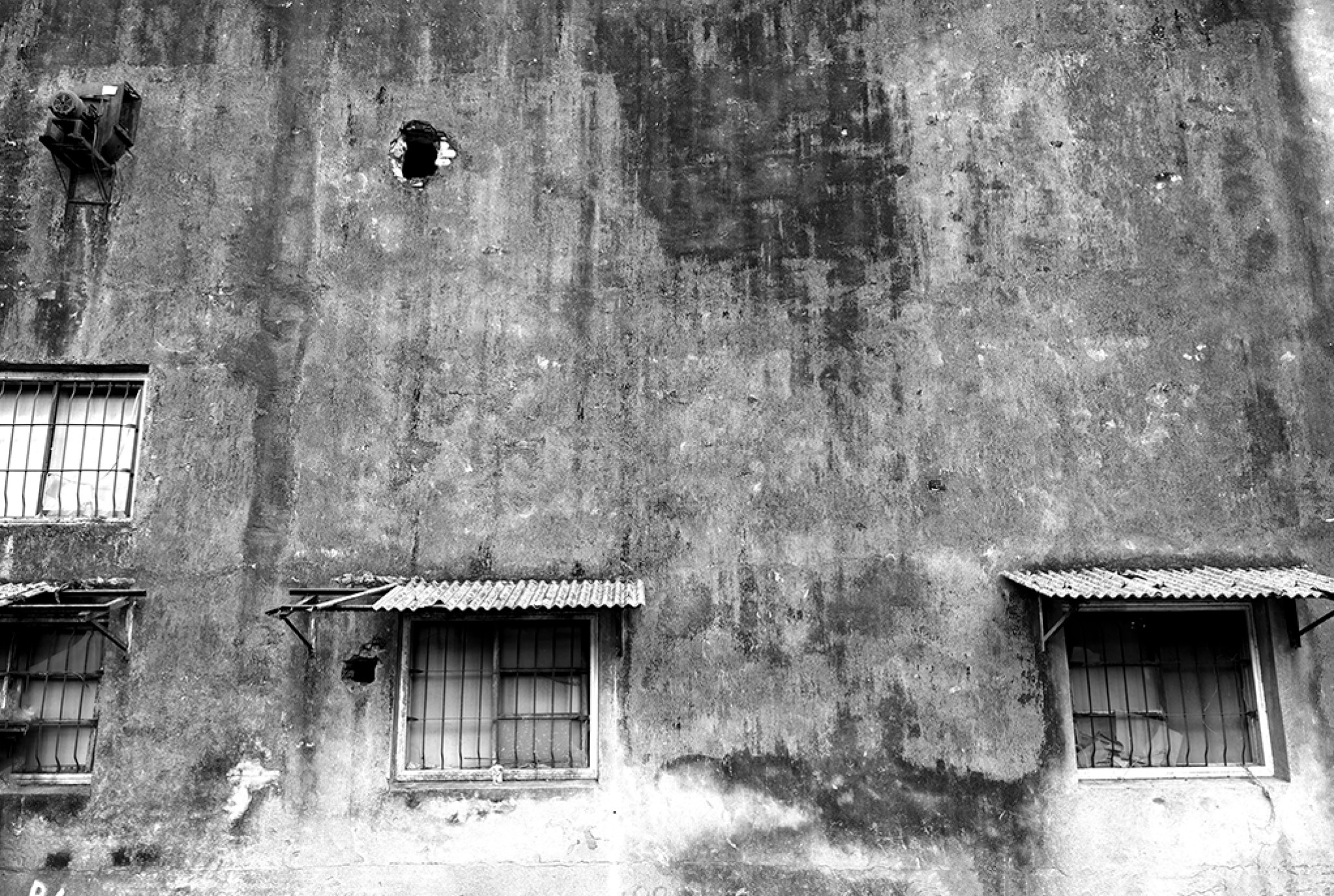
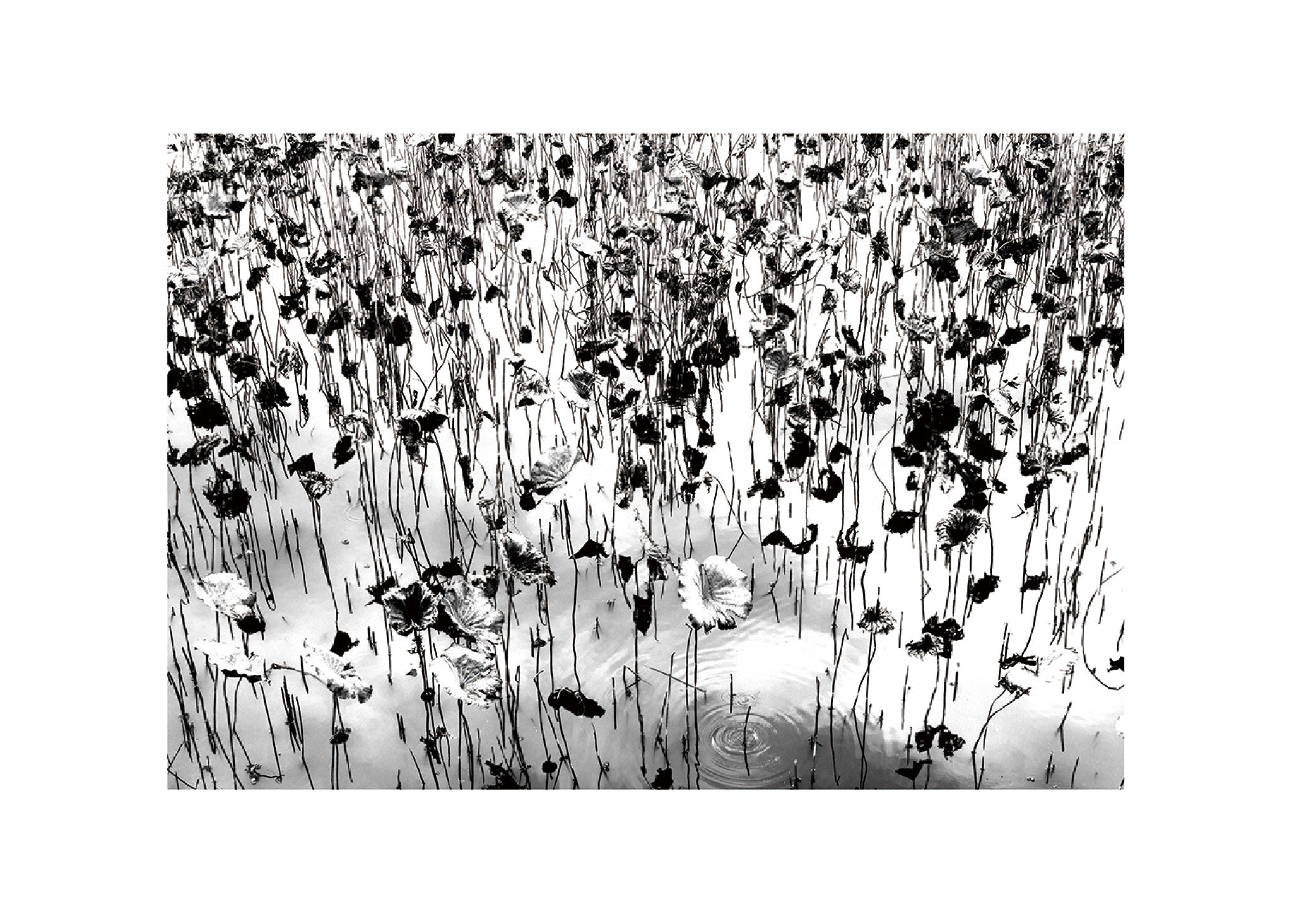
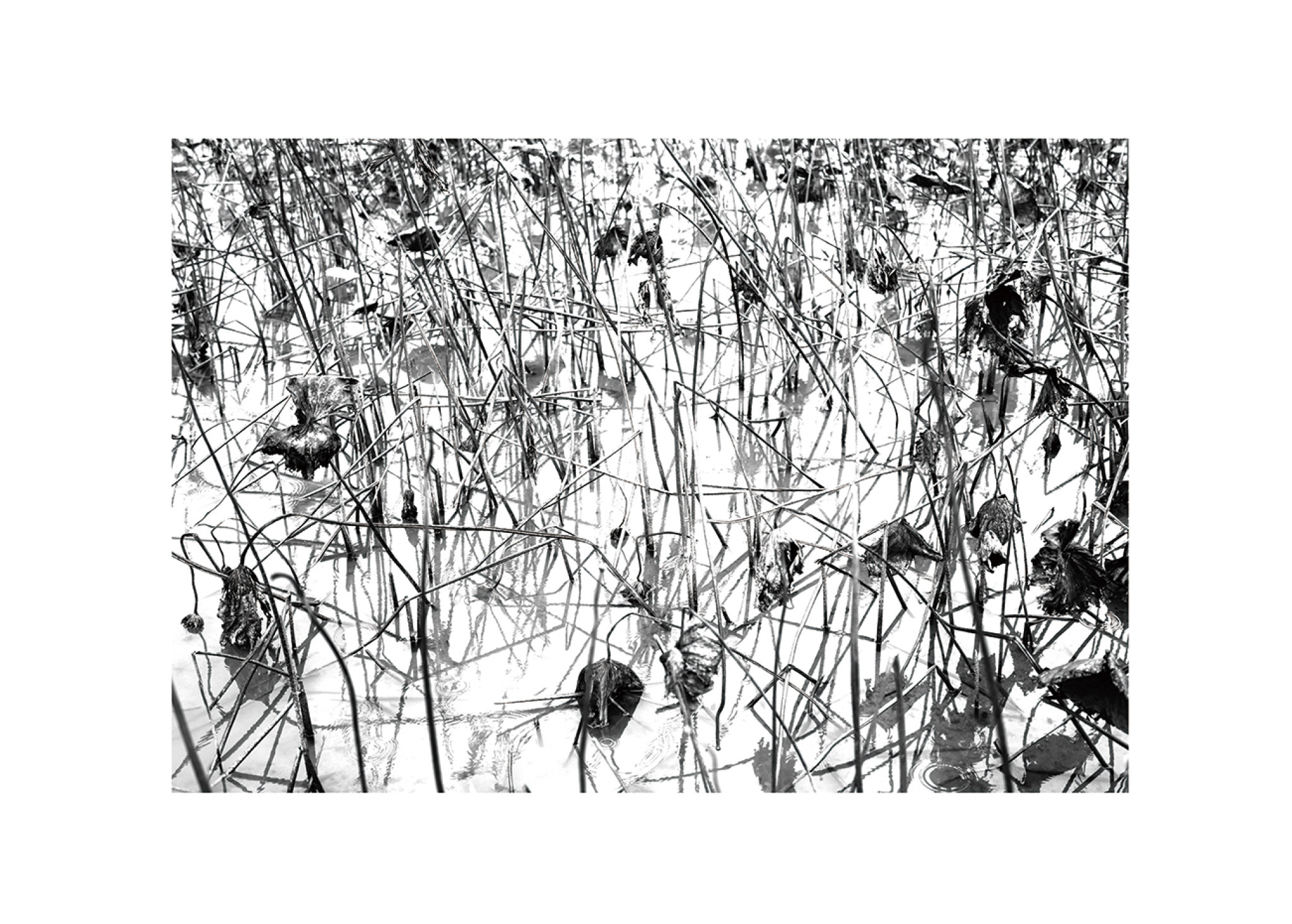
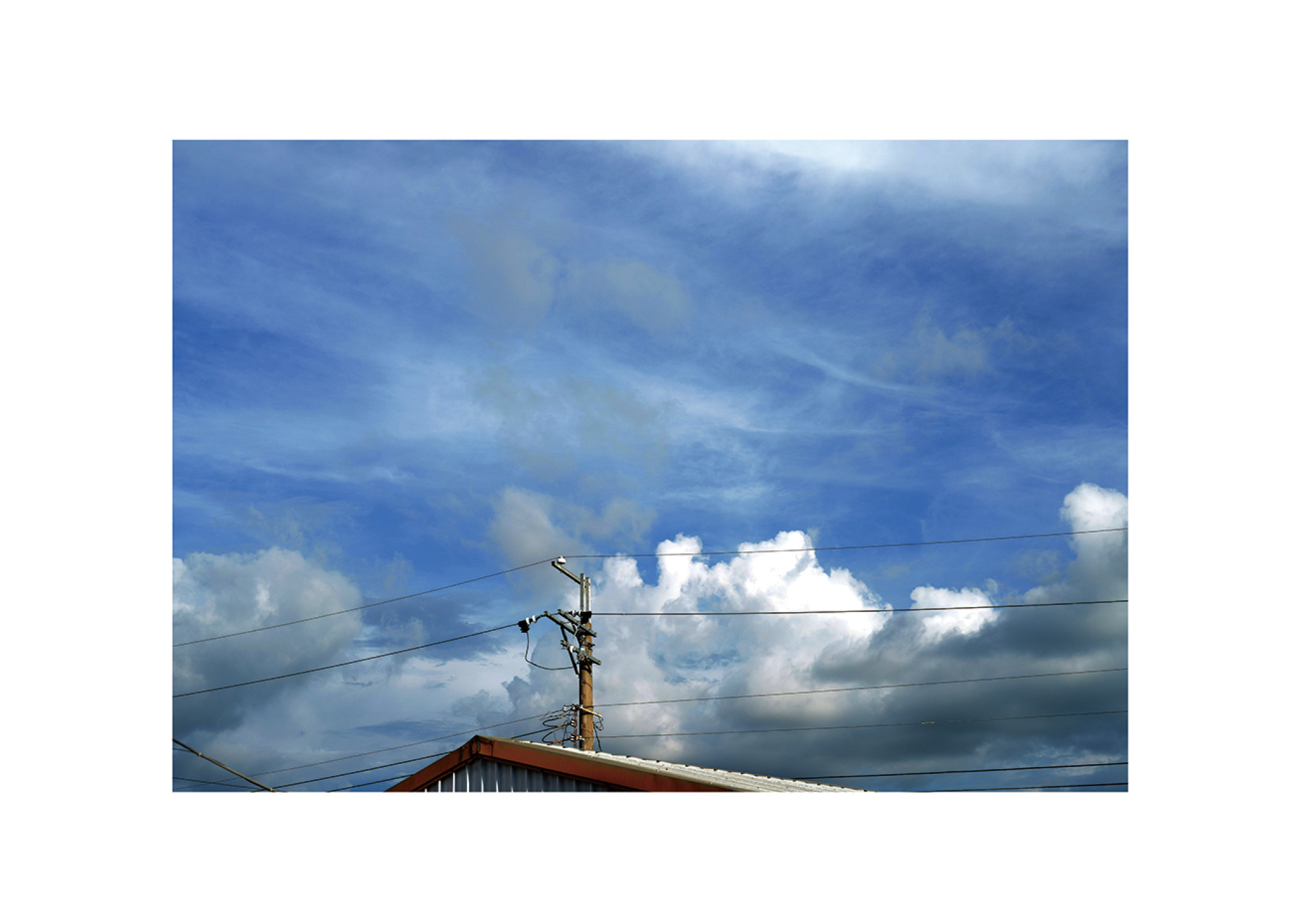
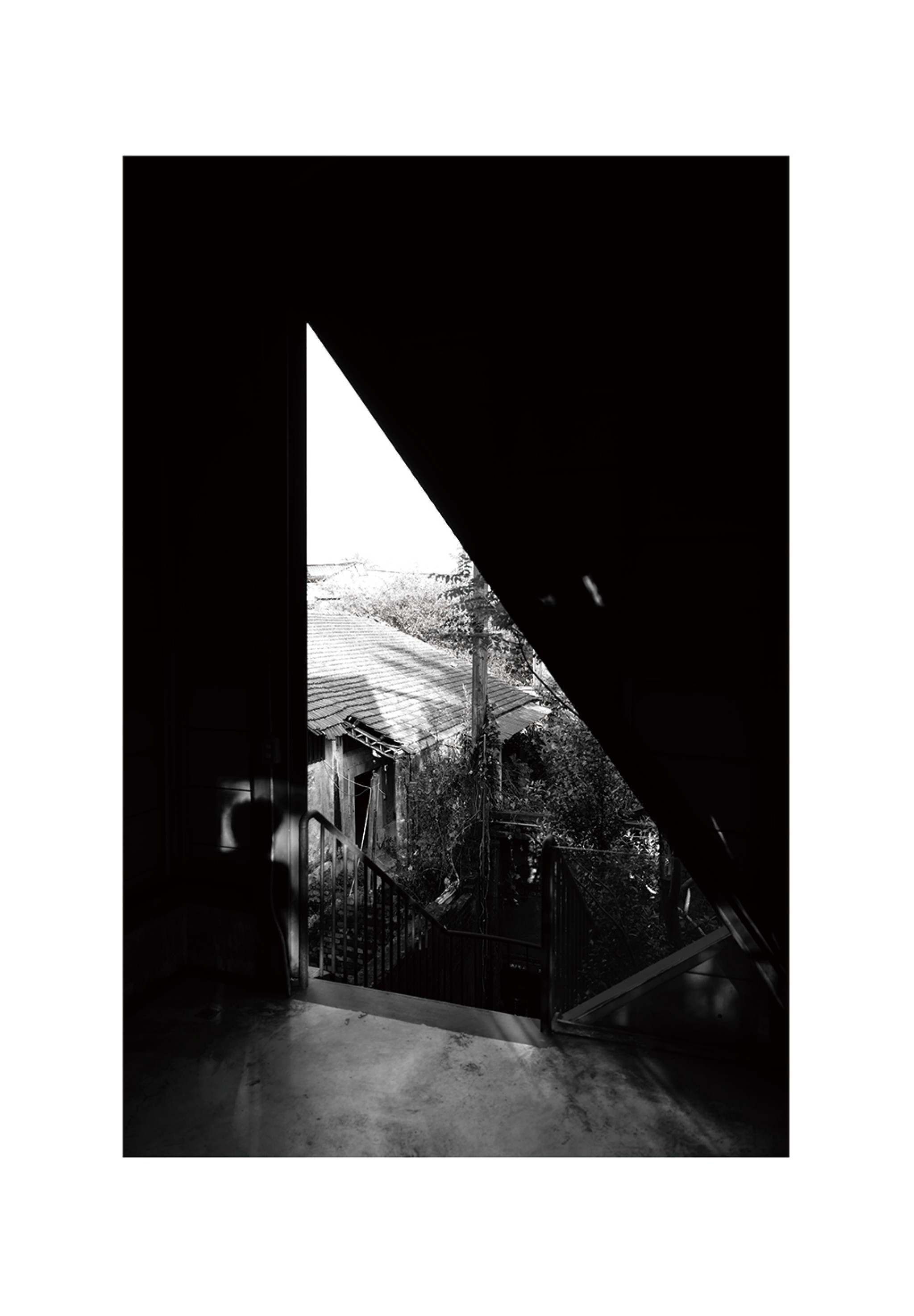
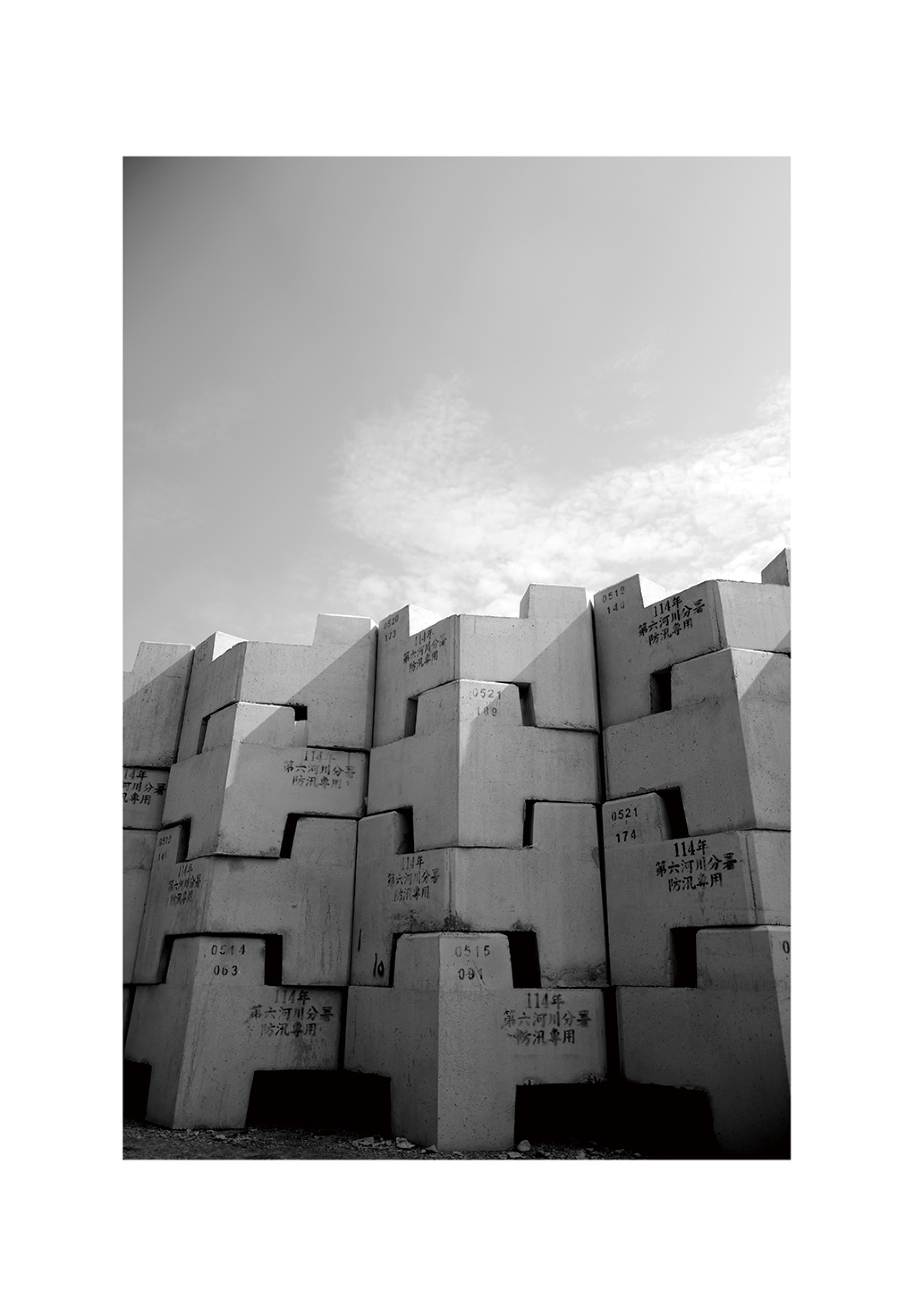
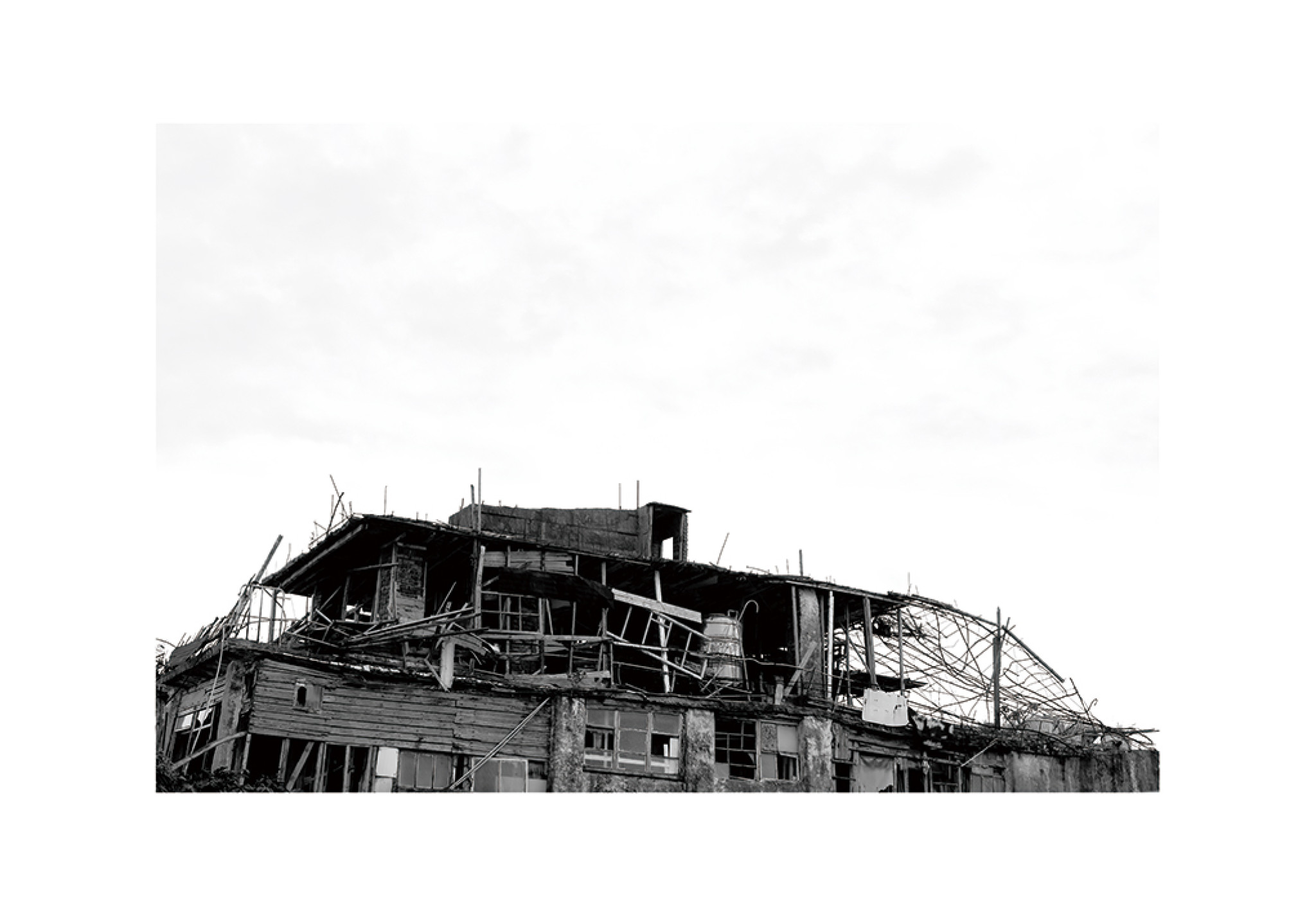
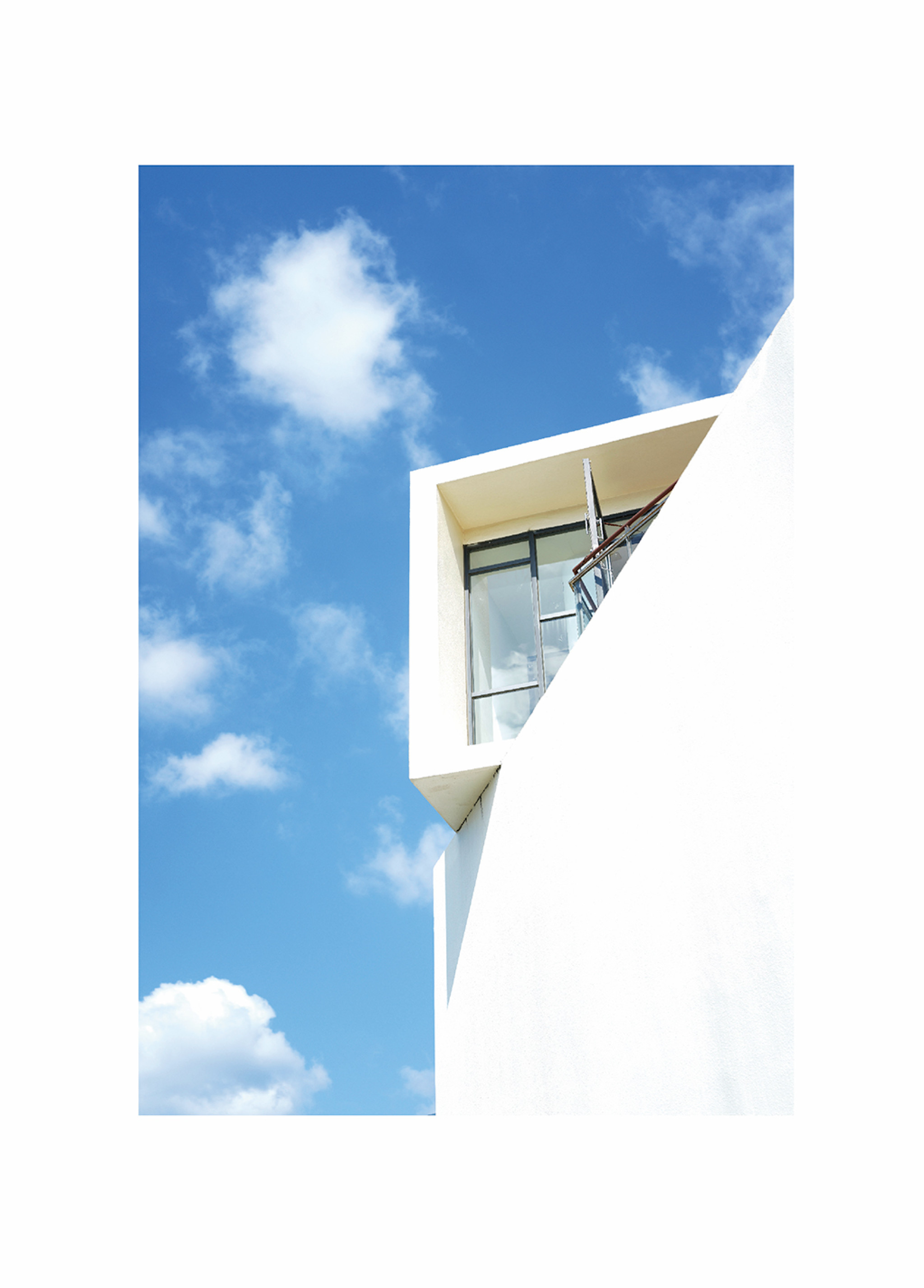
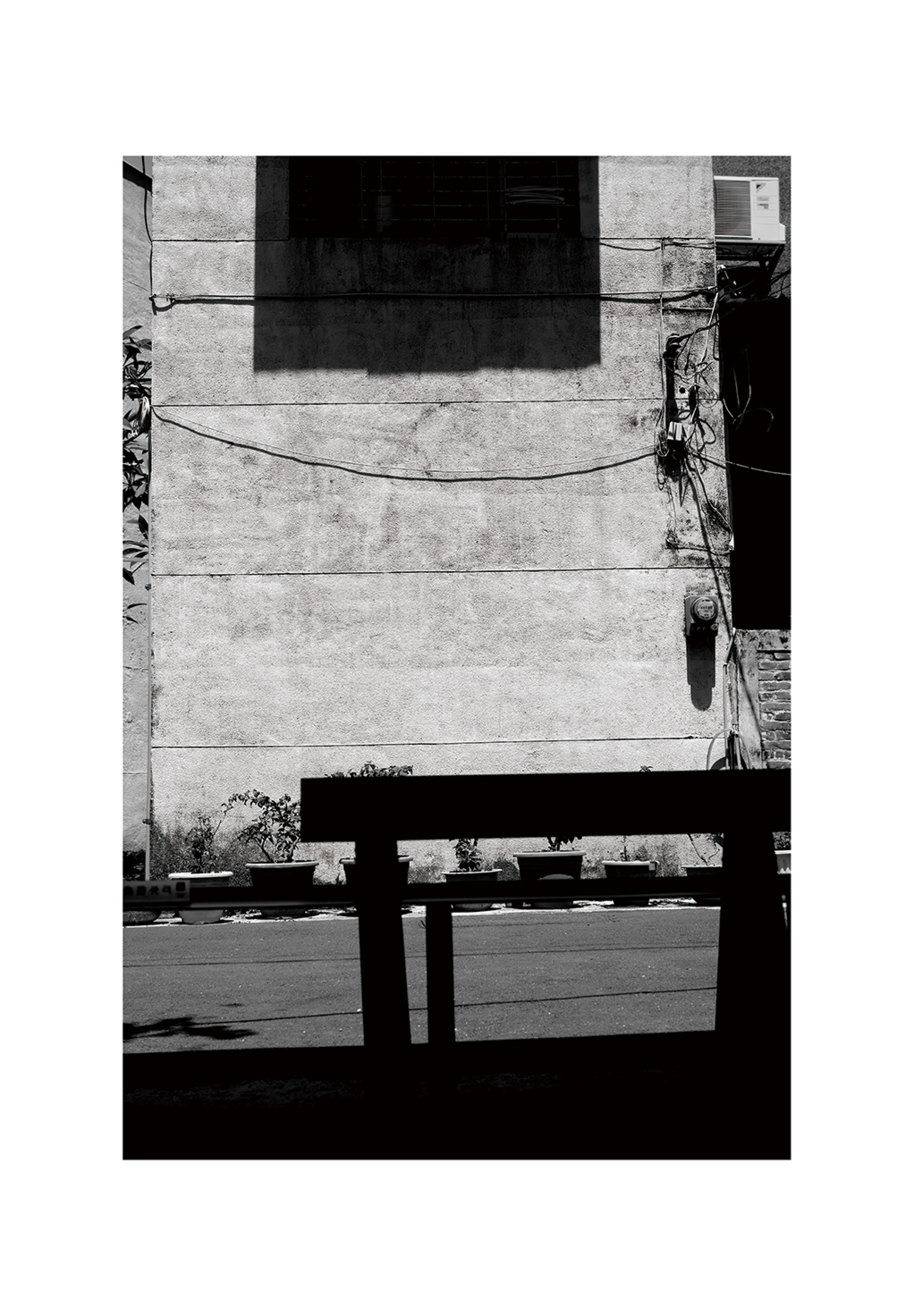
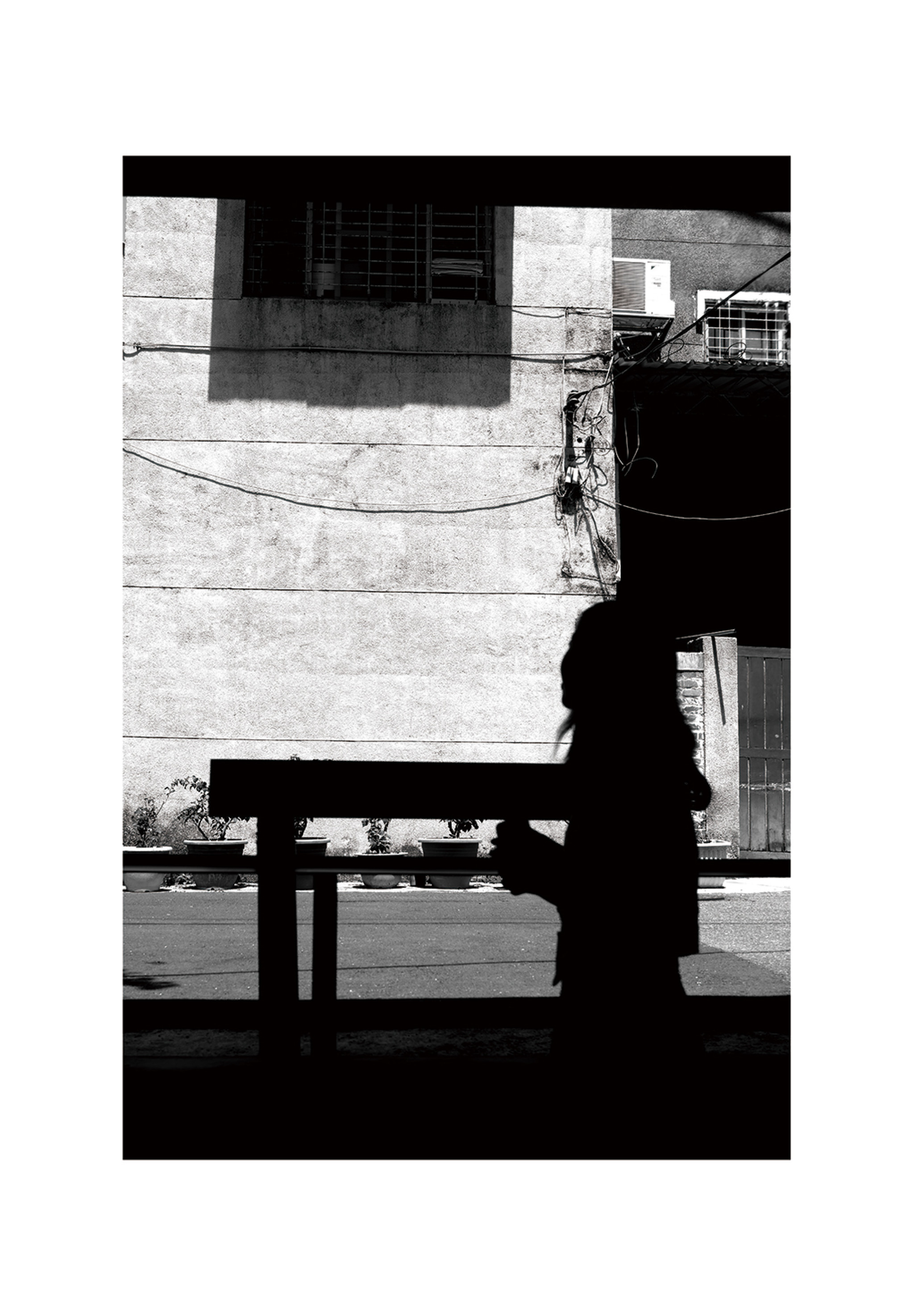
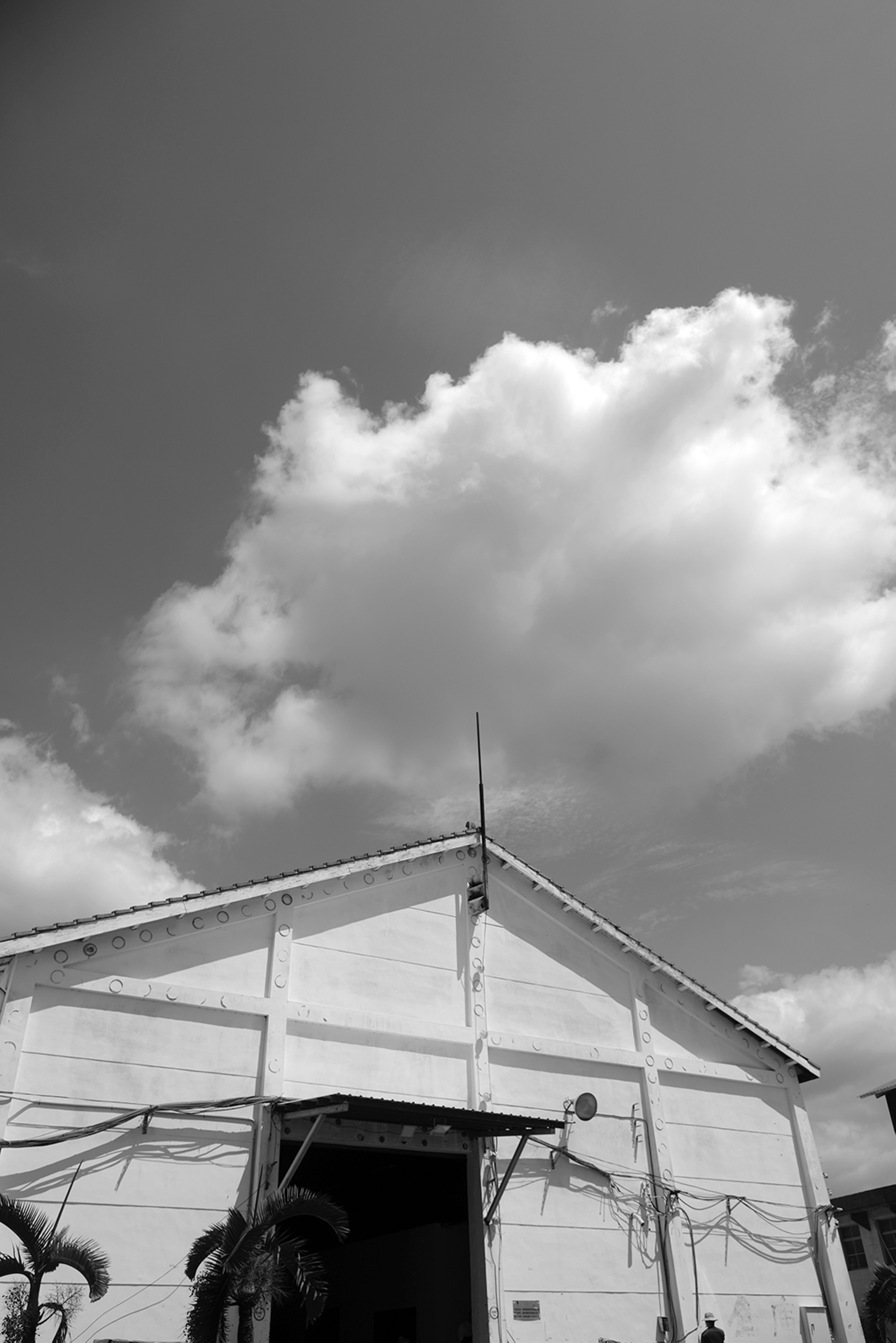
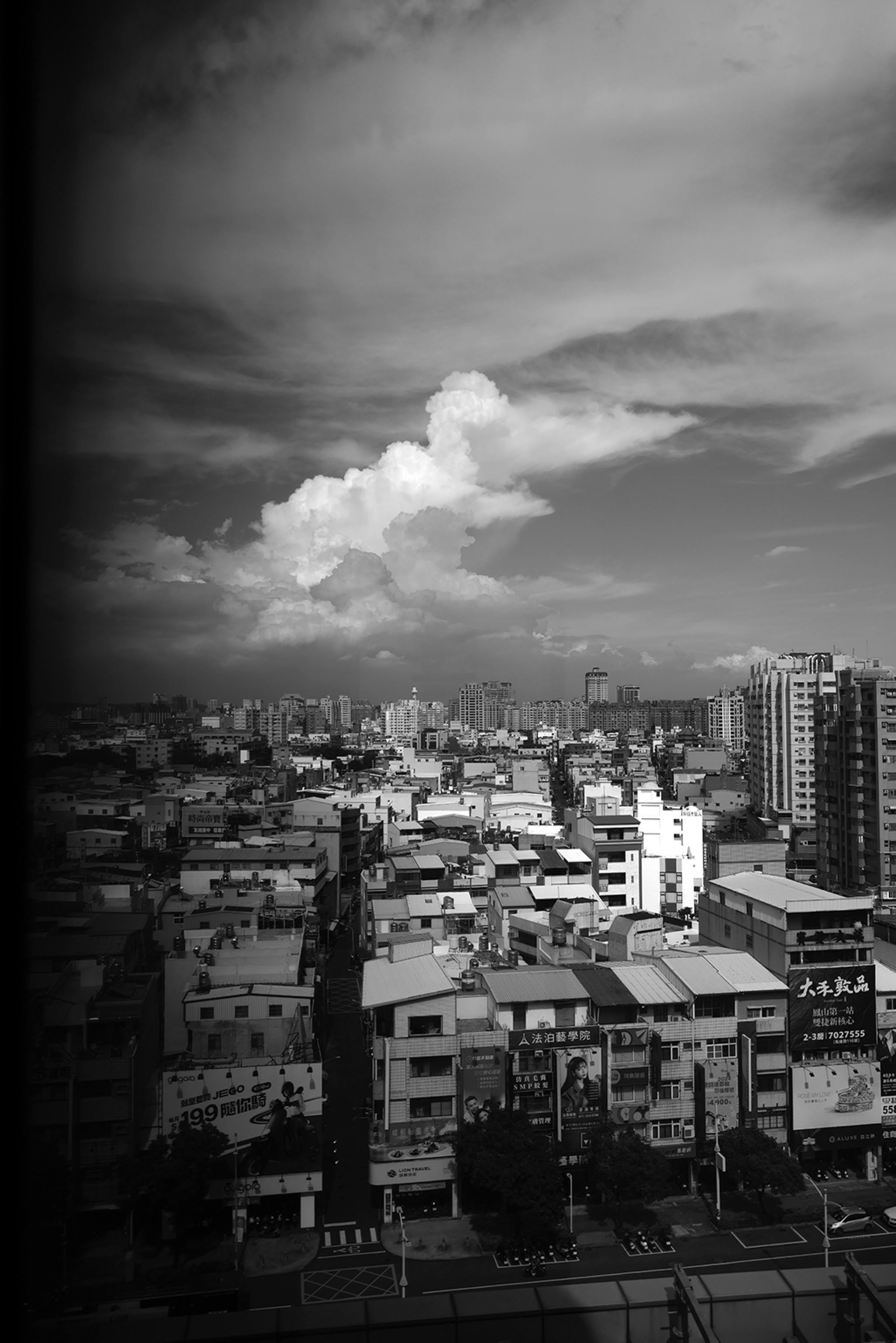
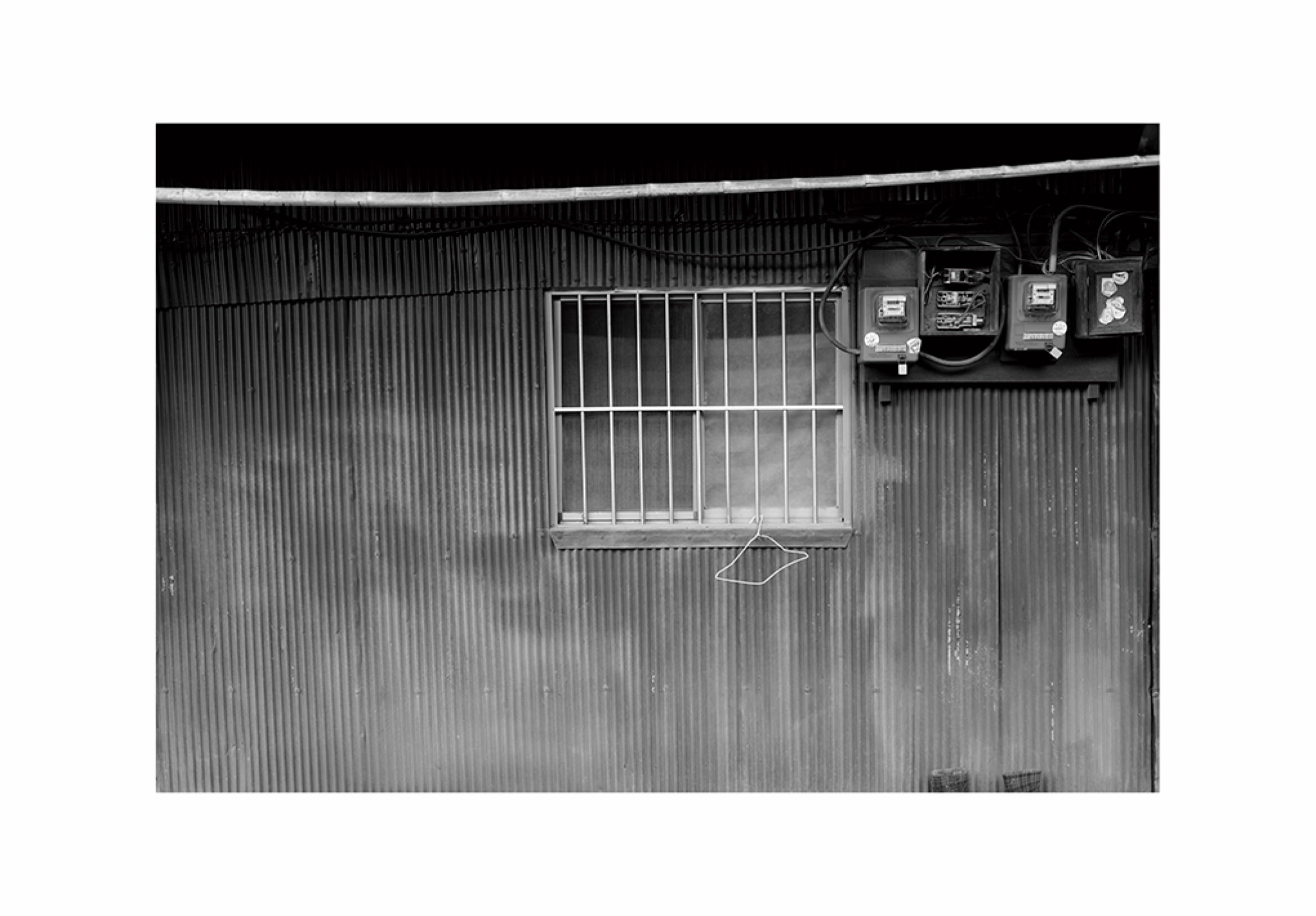
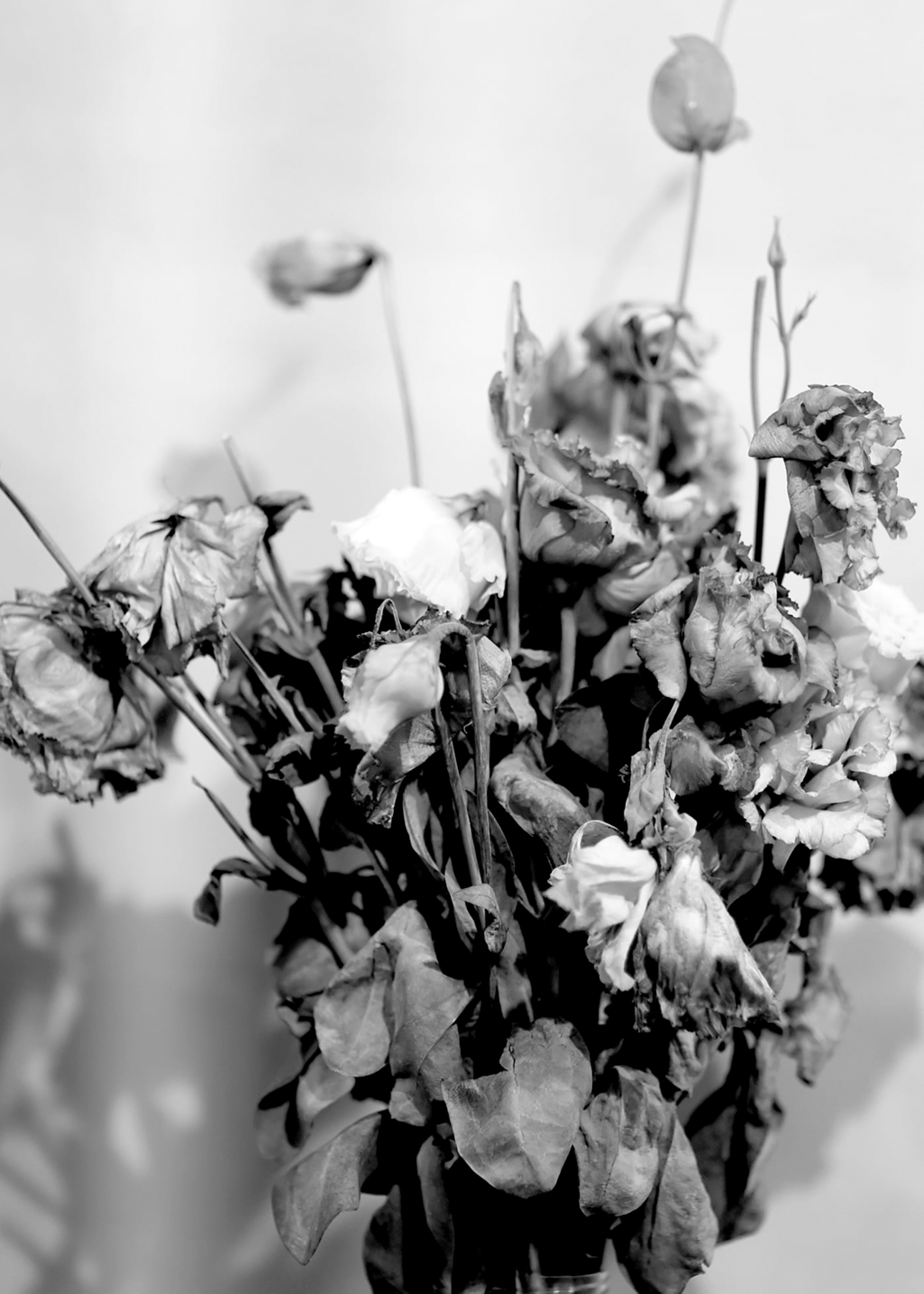
This exhibition does not attempt to construct a single, definitive theme, but rather presents a continuously unfolding state of viewing. Each work marks a moment of pause for the photographer within a state of exile – a fragment of intuitive contemplation and perception. These images may not form a coherent narrative among themselves, yet together they constitute a field of viewing: a field concerned with distance, absence, and existence. Here, the image is no longer merely an object to be interpreted, but a medium through which the viewer is invited to enter an experience of unfamiliar space.
Viewing, then, is no longer merely watching. It is a departure, and also an arrival; an approach, and also a loss. In images, we both search for the world and gradually lose it. Exile thus becomes the deepest metaphor for the act of seeing, and the unfamiliar space becomes the viewing position we cannot escape.